
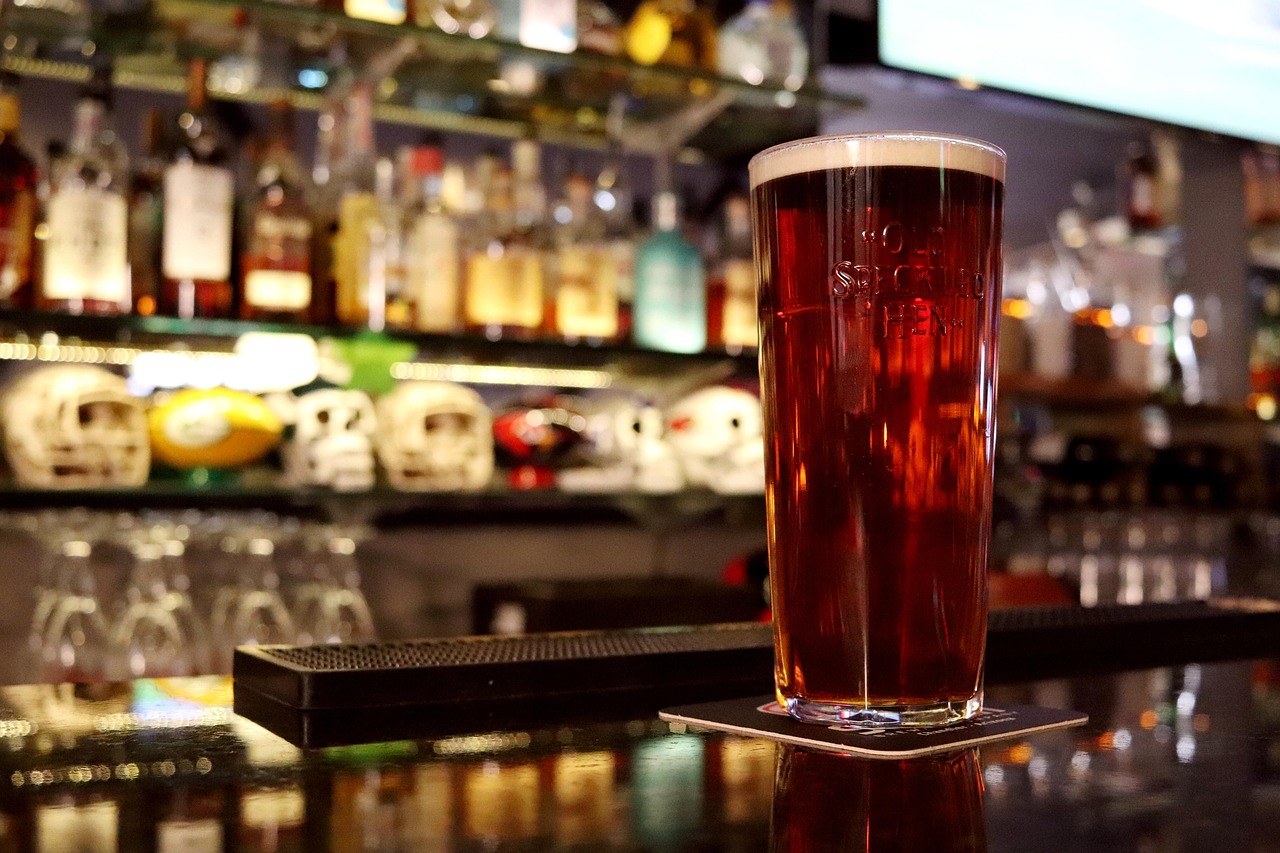
A Guide to the Best British Pubs
History, culture, etiquette and top recommendations for Britain's most beloved institution
Introduction: The British Pub – More Than a Drinking Place
The British pub (from "public house") is unlike any drinking establishment found elsewhere in the world. Over many centuries, it has evolved into something far more than a place to drink – it is a community anchor, a social equaliser, a living museum, and a cultural institution as central to British life as cricket, the BBC, and queuing politely.
Today, approximately 46,000 pubs remain open across the United Kingdom – a number that has declined significantly from a peak of around 70,000, but which still represents an extraordinary density of establishments compared with any other country. The "local" remains at the heart of British social life, and a visit to a well-kept traditional pub is one of the most rewarding cultural experiences available to any visitor to the UK.
This guide explores the history, culture, and etiquette of the British pub, with recommendations for finding excellent examples in different regions and an introduction to the pleasures of real British ale.
A Brief History of the British Pub
The history of the pub stretches back to Roman Britain, when the occupying legions established "tabernae" along their roads – resting places offering food, drink, and accommodation to travellers. When the Romans departed in the 5th century, Anglo-Saxon "alehouses" carried the tradition forward, dispensing home-brewed ale (a safer drink than water) to the local population.
The Middle Ages saw the development of three distinct types of licensed drinking establishment: the alehouse (selling only ale), the tavern (selling wine as well as ale), and the inn (offering accommodation alongside drink). Monasteries also brewed and sold ale – many of today's pubs occupy sites where monastic brewing once took place.
The Georgian era brought the "gin craze" of the early 18th century – an epidemic of cheap spirit consumption that destroyed communities and prompted parliamentary intervention. The subsequent Gin Acts redirected drinking back towards beer and established the legal framework for the modern pub.
The Victorian period (1837–1901) produced the pub architecture that many of us associate with the traditional "pub look" – elaborate tilework, engraved glass, mahogany woodwork, and ornate mirror behind the bar. These "gin palaces" were deliberately spectacular spaces designed to attract customers away from home drinking. Many survive in excellent condition, particularly in London and Manchester.
Recommended Pubs Across the UK
London – Historic Pubs:
- Ye Olde Cheshire Cheese (Fleet Street, EC4) – rebuilt after the Great Fire of London in 1667, a labyrinthine pub of low ceilings, sawdust floors, and multiple bars. Dr Johnson and Charles Dickens drank here.
- The Prospect of Whitby (Wapping, E1W) – London's oldest riverside pub, dating from 1520. Pepys, Dickens, and Turner all drank here. Spectacular Thames terrace.
- The Harp (Covent Garden, WC2) – a CAMRA National Pub of the Year winner, small and perfectly formed, with an extraordinary range of real ales.
- The Seven Stars (Holborn, WC2) – one of London's few surviving 17th-century pub buildings, with a magnificent bar and a celebrated resident cat.
Edinburgh:
- The Bow Bar (Victoria Street) – acclaimed as one of Scotland's finest pubs, exceptional for Scottish single malts and real ales.
- The Café Royal Circle Bar (West Register Street) – a magnificent Victorian pub with extraordinary stained glass portraits of inventors and sporting heroes.
Rural England:
- The Falkland Arms (Great Tew, Oxfordshire) – the quintessential Cotswold thatched country pub with inglenook fireplace, traditional pub games, and excellent local ales.
- The Star Inn (Harome, North Yorkshire) – a thatched medieval pub that has become one of Britain's finest gastropub restaurants (Michelin starred). Book well in advance.
Conclusion: Pub Etiquette and Essential Tips
How to order: In British pubs, you always order at the bar and pay when you order – there is no table service for drinks (though food is usually brought to your table). This is not considered unfriendly; it is simply the tradition.
The rounds system: If you are drinking with a group, the "round" system is deeply embedded in pub culture. Each person in the group takes a turn to buy a "round" – one drink for everyone in the group. If someone buys you a drink, you are expected to buy the next round when the glasses empty. Refusing to participate is considered poor form.
Real ale: Look for the CAMRA (Campaign for Real Ale) logo on pub windows to find establishments serving traditionally brewed, cask-conditioned ales – warm (cellar temperature, not chilled), naturally carbonated, and immeasurably more complex in flavour than cold, gassy lagers. Ask the bar staff for a recommendation or a tasting sample.
Pub food: The quality of British pub food has improved enormously in recent decades. The classic Sunday roast – roast beef, Yorkshire pudding, roast potatoes, and seasonal vegetables – remains the quintessential pub meal. Book ahead at popular countryside pubs on Sundays, as they fill up quickly.
Last orders: English pubs traditionally close at 11pm on weekdays (midnight on Friday and Saturday). In Scotland, pubs may stay open until midnight or later. "Last orders!" is called by the bar staff about 20 minutes before closing – order quickly if you want another drink.
The British pub at its best is a genuinely democratic, convivial, and irreplaceable institution. Embrace it, spend an evening talking to the regulars, discover a new ale you never knew existed, and you will understand a fundamental and irreplaceable part of what makes Britain unique.
Experience British Pub Culture on Tour
Several of our UK tour packages include visits to outstanding British pubs with your expert guide. Particularly recommended: our Historical London tour and the Gourmet UK culinary tour.
View All Tour PackagesDiscover Britain's Finest Pubs on Tour
Our expert guides know exactly where to find the most authentic and remarkable British pubs on every tour.
View UK Tour Packages More Travel Tips