
Exploring the Culture and History of Wales
Ancient Celtic traditions, dramatic castles, living language and breathtaking landscapes
Introduction: Why Wales Surprises Every Visitor
Wales (Cymru in Welsh) is one of the United Kingdom's most frequently overlooked and most genuinely rewarding destinations. Separated from England by the Offa's Dyke earthwork (built in the 8th century to mark the boundary between Welsh and English kingdoms), Wales has maintained a remarkably distinct cultural identity over more than a thousand years of political union.
What makes Wales unique? Its living Celtic language – Welsh is spoken daily by over 880,000 people, making it one of Europe's healthiest minority languages. Its extraordinary density of castles – with over 600, Wales has more castles per square mile than any other country. Its dramatic landscapes – within a country smaller than Massachusetts, Wales contains three national parks, fourteen Areas of Outstanding Natural Beauty, and a coastline of astonishing variety. And its people – warm, musical, fiercely proud, and deeply hospitable.
This guide explores the cultural and historical highlights that make Wales one of Britain's most distinctive and rewarding travel destinations.
A Brief History of Wales
Wales's history is one of extraordinary resilience in the face of powerful external pressure. The Celtic Britons who inhabited the land during Roman occupation were the direct ancestors of today's Welsh people, and their language – Brythonic Celtic – is the parent of modern Welsh, Cornish, and Breton.
Following the Roman withdrawal in the 5th century, Wales developed as a mosaic of Celtic kingdoms. The legendary King Arthur – if a historical figure – was almost certainly a Romano-British chieftain fighting to preserve something of Roman civilisation against the advancing Anglo-Saxons. The Arthurian legends are deeply rooted in Welsh landscape and tradition; the earliest Arthurian tales were written in Welsh.
The Norman conquest of Wales followed the conquest of England in waves from the late 11th century. The great Marcher Lords built castles along the Welsh borders to control their newly won territories, and gradually the Norman lords pushed further into Welsh heartlands. The Welsh princes – most notably Llywelyn ap Gruffudd (Llywelyn the Last) – fought for their independence until Edward I's final conquest in 1282–83.
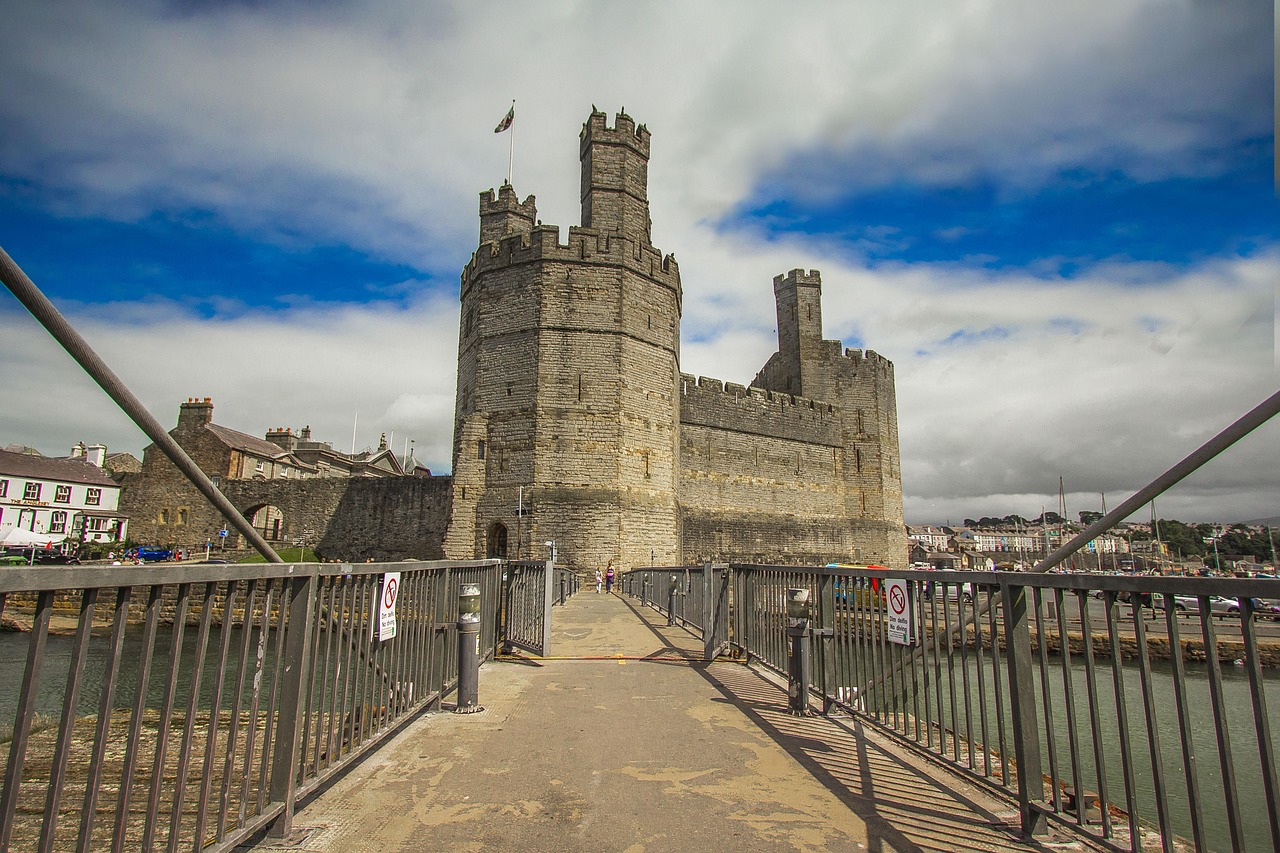
Edward I's "iron ring" of castles – Caernarfon, Conwy, Harlech, Beaumaris, Flint, Rhuddlan – remains one of the most impressive examples of medieval military architecture in Europe, collectively designated a UNESCO World Heritage Site. The 1404–15 rebellion of Owain Glyndŵr – Wales's most celebrated national hero – briefly established Welsh independence before being crushed by Henry IV. Welsh forces under the Tudor dynasty (of Welsh descent) finally captured the English throne in 1485 when Henry Tudor defeated Richard III at Bosworth.
Cultural Highlights and Top Attractions
Cardiff (Caerdydd) – Wales's capital since 1955 and one of Britain's youngest and most dynamic cities. The compact city centre contains an extraordinary concentration of attractions:
- Cardiff Castle – multi-period site with Roman fort walls, Norman shell keep, and extraordinary Victorian Gothic apartments created by the Marquess of Bute with William Burges
- Castell Coch – a fairytale neo-Gothic castle (also designed by Burges for the Marquess of Bute) rising from the woods north of Cardiff
- National Museum Cardiff – free entry to world-class art (the best Impressionist collection in the UK outside London) and natural history
- Cardiff Bay – the regenerated docklands with the Senedd (Welsh Parliament), Wales Millennium Centre, and Mermaid Quay
- Victorian shopping arcades – the finest collection of Victorian arcades in the world, including the Royal Arcade (1858) and the Morgan Arcade
Caernarfon – dominated by one of the finest medieval castles in Europe, this walled town on the Menai Strait is the heart of Welsh-speaking northwest Wales. The castle was built by Edward I after 1283 as both a military fortress and a statement of English power over the newly conquered Welsh. The Prince of Wales has been invested here since 1301.
The Eisteddfod – Wales's national cultural festival, celebrating Welsh-language poetry, music, literature, and performance. The National Eisteddfod (August, alternating north and south Wales) and the International Musical Eisteddfod at Llangollen (July) are both world-renowned festivals that attract performers and visitors from across the globe.
Outdoor Activities in Snowdonia and Beyond
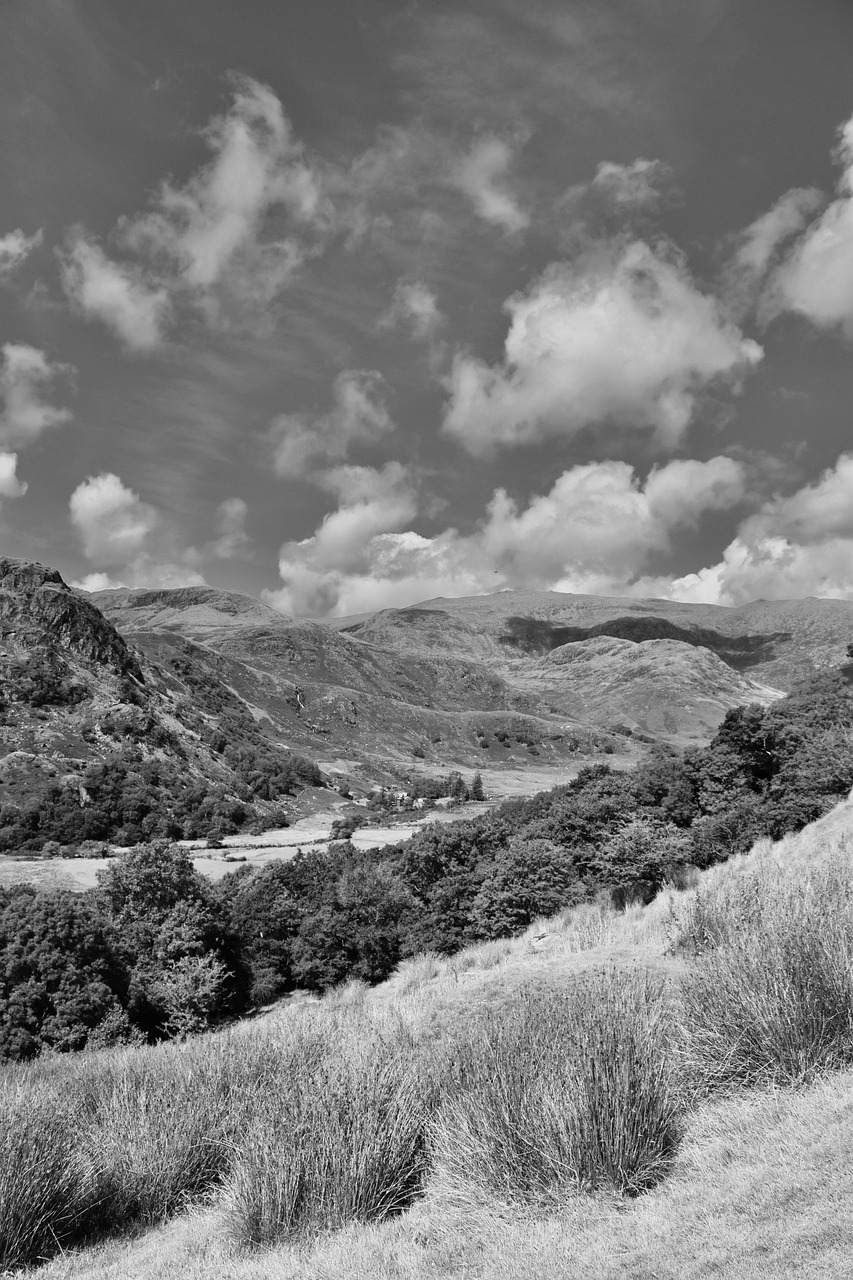
Snowdonia National Park (Parc Cenedlaethol Eryri) is Wales's largest national park, covering 2,130 square kilometres of dramatic mountain landscape in northwest Wales. Snowdon (Yr Wyddfa) – at 1,085m, the highest mountain in Wales and England – can be approached via six different walking routes or by the historic Snowdon Mountain Railway from Llanberis (the only rack-and-pinion railway in the UK).
Beyond Snowdon, Snowdonia offers:
- Zip World Slate Caverns at Llechwedd – the world's fastest zip line and underground adventures deep inside a Victorian slate quarry
- Bike Park Wales near Merthyr Tydfil – the UK's premier mountain biking destination
- White-water rafting on the River Tryweryn
- Wild swimming in the many clear mountain lakes (llyns)
- Sea kayaking around the dramatic Llŷn Peninsula
The Pembrokeshire Coast National Park in southwest Wales offers some of Britain's finest coastal walking along the 299km Pembrokeshire Coastal Path, excellent surfing beaches, puffin colonies on Skomer Island (April–August), and some of the clearest water in Britain for sea swimming and kayaking.
Conclusion: Wales Awaits
Wales is a country that rewards the visitor who arrives with curiosity and leaves with an open heart. The landscape is magnificent and diverse. The history is ancient and complex. The culture is living and proud – hear the Welsh language in action, watch a Welsh choir rehearse in a village hall, attend a local rugby match and experience communal emotion of an intensity rarely encountered in modern life.
A few key phrases will be warmly received wherever you go:
- Croeso (CROI-so) – Welcome
- Diolch (DEE-olkh) – Thank you
- Bore da (BOH-reh DAH) – Good morning
- Hwyl fawr (HOO-il VAOOR) – Goodbye
- Iechyd da (YEKH-id DAH) – Good health (a toast)
Mae Cymru'n disgwyl amdanoch chi – Wales awaits you.
Explore Wales on a Guided Tour
Our Magical Wales: 7 Days Exploring Celtic Culture guided tour takes you from Cardiff to Snowdonia, Caernarfon, and the Pembrokeshire coast with expert Welsh-speaking guides.
View Wales Tour – from £1,300Croeso i Gymru – Welcome to Magical Wales
Seven days in one of Britain's most culturally rich nations – with expert Welsh guides who love their country.
View Wales Tour More Travel Tips