
Discovering the Natural Beauty of the Scottish Highlands
A guide to one of Europe's last great wildernesses – lochs, glens, peaks and ancient legends
Introduction: The Last Wild Place in Britain
The Scottish Highlands represent something increasingly rare in 21st-century Europe: a vast, largely uninhabited wilderness where nature operates on its own terms and the human presence feels genuinely small. Covering approximately half of Scotland's total land area, the Highlands are home to fewer than 300,000 people – roughly the population of a mid-sized English town – spread across a landscape of extraordinary drama and beauty.
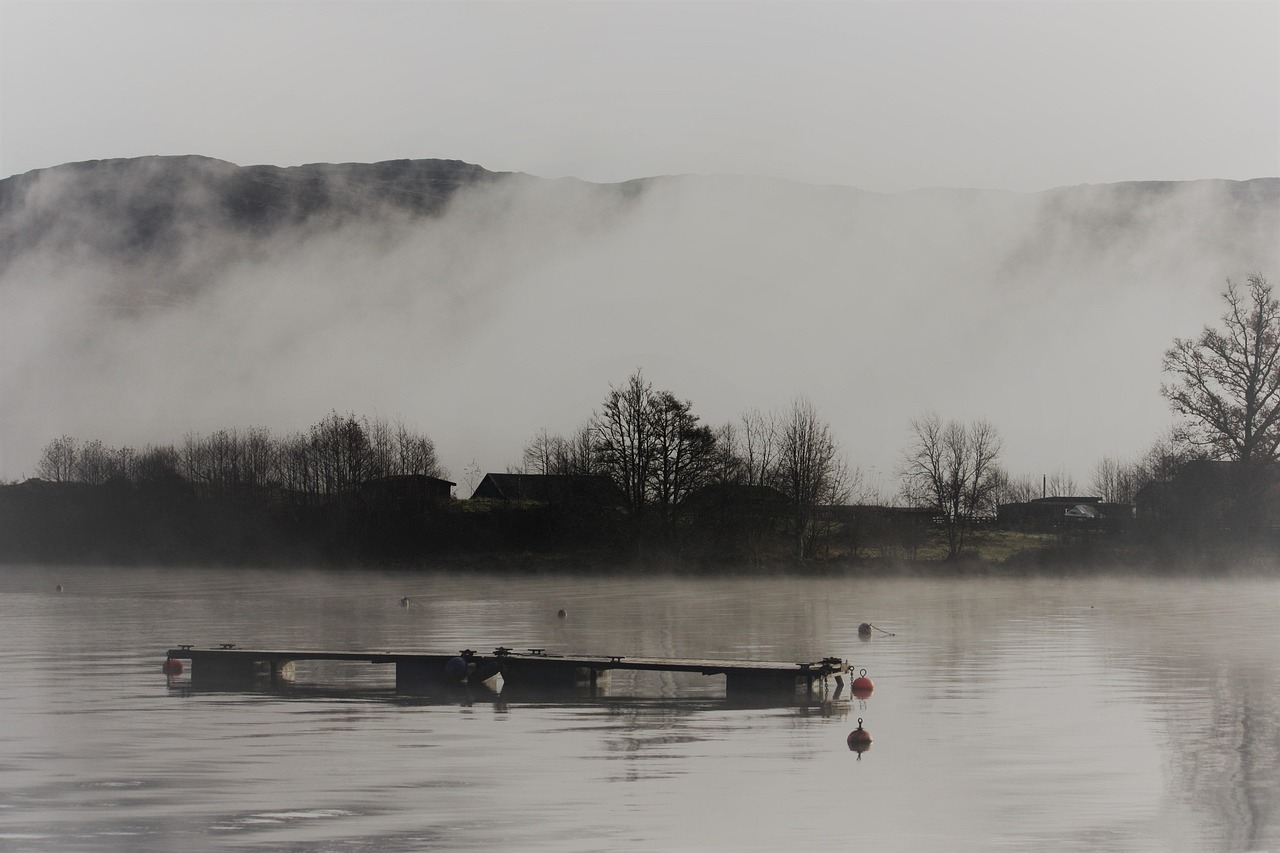
Golden eagles soar above ridgelines dusted with purple heather. Red deer pick their way through misty glens as the morning fog lifts. The waters of a thousand lochs mirror skies of improbable colour. Ancient standing stones rise from moorland that feels unchanged since the Bronze Age. The Scottish Highlands are not merely beautiful – they are primordially, elementally beautiful in a way that touches something very old in human consciousness.
This guide introduces the Highlands' most essential natural attractions and provides practical advice for visiting them well.
Loch Ness – Legend Meets Geology
Loch Ness is Scotland's most famous body of water and, despite the commercial monster industry surrounding it, genuinely extraordinary in geological terms. The loch stretches 37 kilometres from Fort Augustus at its southern end to Lochend near Inverness, is up to 230 metres deep, and contains more fresh water than all the lakes of England and Wales combined.
The Nessie legend has deep roots – the earliest recorded sighting dates to 565 AD when St Columba is said to have repelled a water beast in the River Ness. The modern monster industry dates to 1933, when a report in the Inverness Courier sparked worldwide interest. Whatever inhabits Loch Ness (if anything does), the loch itself is undeniably spectacular.
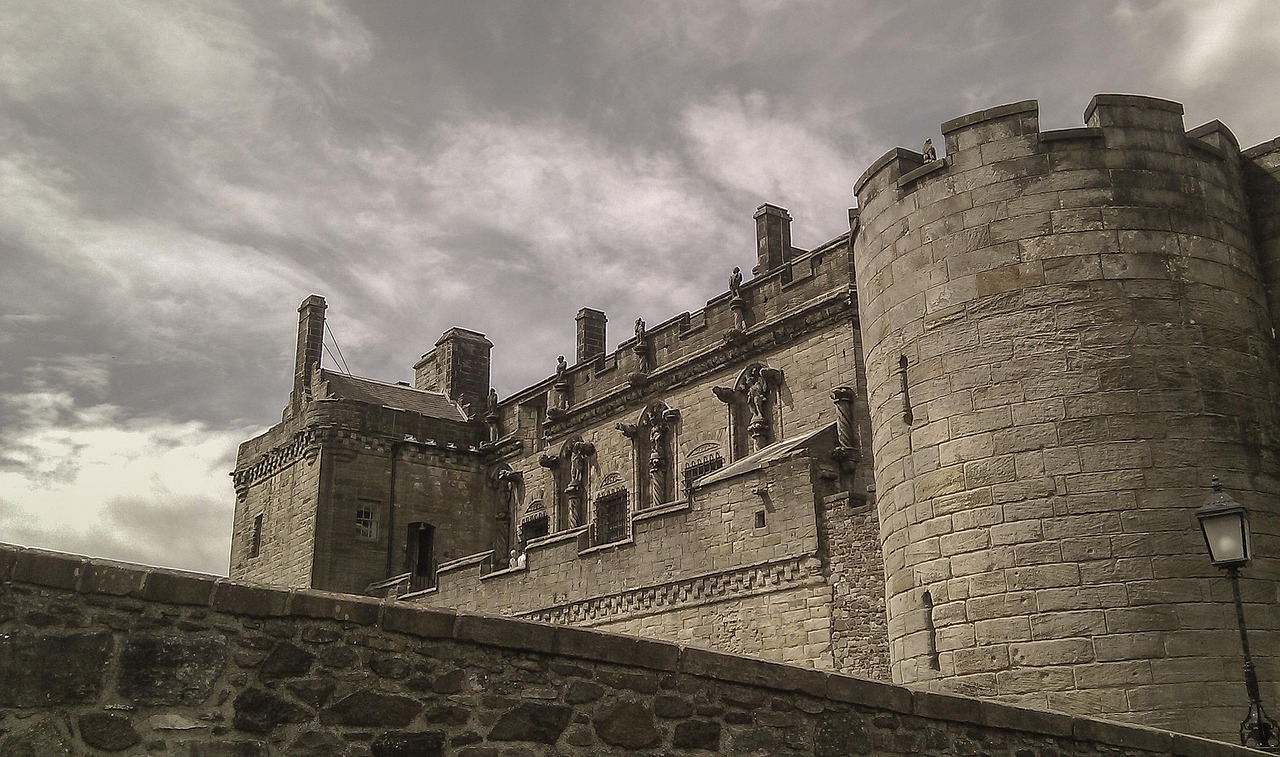
The finest views of Loch Ness are from the ruins of Urquhart Castle – a medieval fortress on a promontory on the loch's western shore. Take a Loch Ness cruise (departing from Drumnadrochit or Inverness) for the best perspectives and, if the sonar operators are to be believed, the occasional unexplained echo from the depths.
Ben Nevis and the Great Glen
Ben Nevis (1,345 metres) is the highest mountain in the British Isles – a massive granite bulk that fills the sky above Fort William and Glen Nevis. On a clear day, the summit view extends 190km to Ireland and across much of the Hebrides. On a cloudy day (which is more common – the summit is clear for fewer than 60 days per year on average), you may see nothing at all beyond swirling grey mist.
The tourist path from the Visitor Centre at Achintore Road is accessible to any reasonably fit walker (allow 6–8 hours for the round trip of 17km). The path gains 1,344m of elevation – equivalent to climbing the Eiffel Tower four times. Essential equipment: waterproof jacket and trousers, warm layers, walking boots with ankle support, map and compass, and enough food and water for a full day.
Even if you don't attempt the summit, the beautiful walking in Glen Nevis below the mountain is well worth exploring – the gorge walk to the spectacular Steall waterfall (a 90-minute return walk) is one of the most beautiful valley walks in Scotland.
Recommended Routes and Visitor Tips
The North Coast 500 (NC500) – launched in 2015, this 830km (516-mile) circular driving route from Inverness around Scotland's far north has become one of the world's most celebrated road trips. The route takes in the dramatic Torridon mountains, the empty beaches of Sutherland ("the Scotland of Scotland"), the cliffs of Cape Wrath, and returns via the Flow Country – the world's largest blanket bog and a UNESCO World Heritage Site. Allow at least 7 days; 10–14 days is ideal to explore properly.
The Isle of Skye deserves extended discussion. Connected to the mainland by a bridge since 1995, Skye has seen visitor numbers increase dramatically. The Old Man of Storr, the Fairy Pools, the Quiraing, and the Cuillin mountain ridge make Skye arguably Scotland's most dramatic island landscape. Book accommodation 6–12 months in advance for July and August visits – demand far exceeds supply.
Glencoe – the great Scottish glen of legend and tragedy. The 1692 massacre of the MacDonald clan by Campbell soldiers is one of the most infamous events in Scottish history. The landscape itself seems to carry this weight – the Three Sisters ridges casting dramatic shadows over the valley floor, the River Coe glittering below. Visit the National Trust for Scotland Visitor Centre for the full historical context. Walking in the glen on a quiet winter day, with snow on the peaks and the valley wrapped in mist, is an experience of profound atmospheric power.
Best Time to Visit
May–September for best weather. October for autumn colours. December–February for snow on peaks (but check road conditions).
Safety First
Highland weather changes rapidly. Always carry waterproofs, warm layers and adequate food and water on any hill walk.
Midges Warning
Highland midges (biting insects) are a serious nuisance May–September in calm conditions. Bring quality insect repellent containing DEET.
Wildlife of the Scottish Highlands
The Highlands support some of Britain's most spectacular and rare wildlife. Key species to watch for:
- Red deer – Britain's largest land mammal, abundant throughout the Highlands. Dawn and dusk are the best times to see them in the glens.
- Golden eagle – the ultimate Highland raptor, with a two-metre wingspan. The best places to see them are the remoter areas of the northwest and Skye.
- Red squirrel – rare in England but common in Highland pine forests. The Cairngorms are particularly good for them.
- Osprey – a fish-catching raptor that migrates to the Highlands each summer. Loch Garten in the Cairngorms has a famous nesting site with live cameras.
- Bottlenose dolphins – a resident pod of over 200 dolphins in the Moray Firth, best seen from Chanonry Point on the Black Isle (year-round, on an incoming tide).
- Wildcats – Scotland's rarest mammal, now critically endangered and only found in remote Highland areas. Genuinely thrilling to glimpse in the wild.
Explore the Highlands on a Guided Tour
Our Scottish Highlands Adventure: 10 Days of Pure Nature visits Loch Ness, Ben Nevis, Glencoe, the Isle of Skye, and the Cairngorms – all with expert Highland guides who know exactly where to find the wildlife and when to be there.
View Scottish Highlands TourExperience the Wild Highlands with Expert Guides
Our 10-day Scottish Highlands tour takes you to the most spectacular landscapes in Europe – with guides who know every glen and loch.
View Highlands Tour More Travel Tips